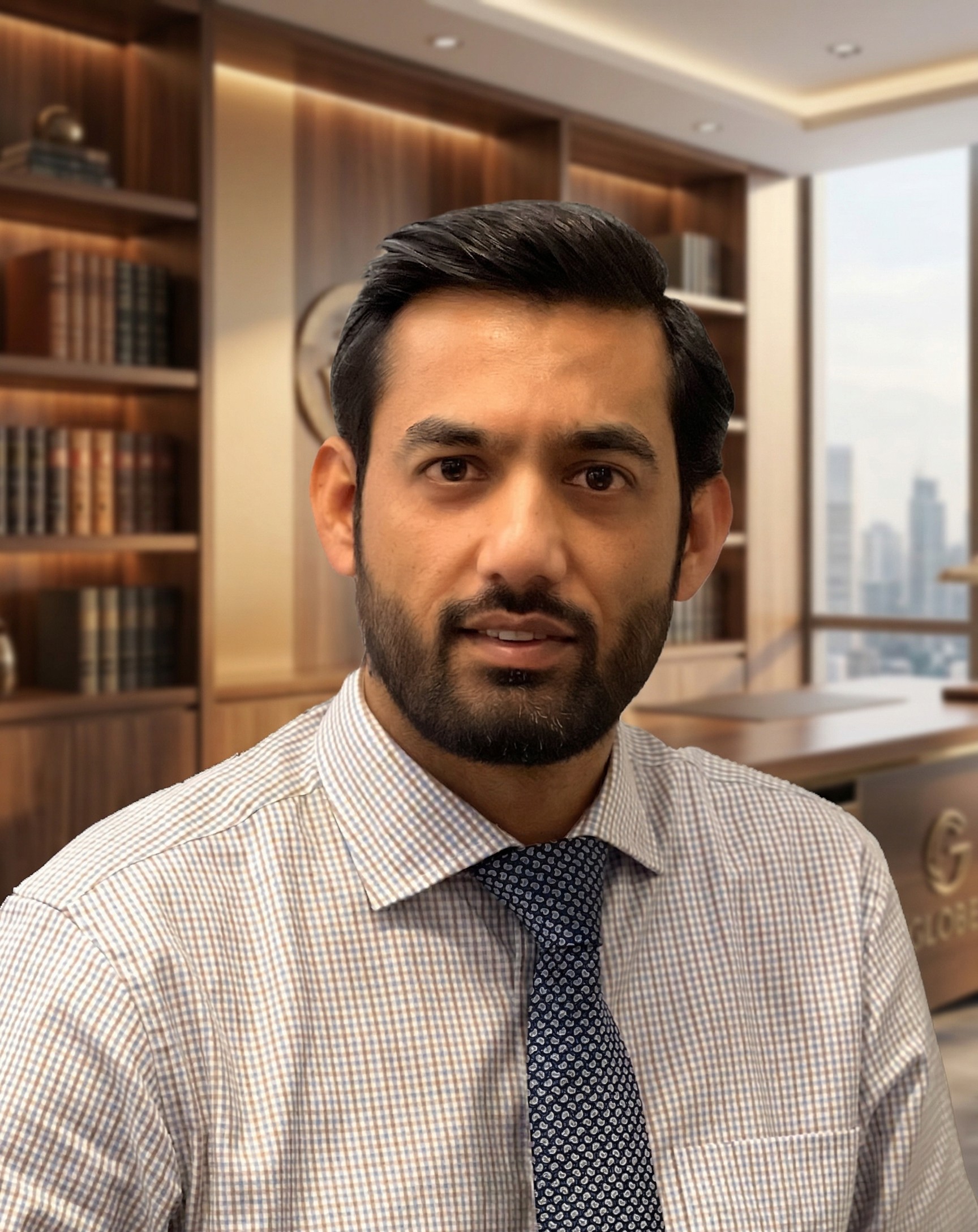

As a hair restoration surgeon, one of the most common conversations I have with patients is about the difference between FUE and FUT. The internet is full of contradictory opinions — often driven by what the clinic offering treatment happens to specialise in. I want to give you an honest, clinically grounded comparison so you can make an informed decision.
What is FUE?
Follicular Unit Extraction (FUE) is the process of harvesting individual follicular units — groups of 1 to 4 hairs — directly from the donor area (usually the back and sides of the scalp) using a small circular punch, typically 0.7 to 1.0mm in diameter. Each unit is extracted individually, leaving small round scars that are essentially invisible once the hair grows back.
The extracted units are then implanted into the recipient area (the balding zone) using fine slits or DHI implanter pens, recreating a natural hair pattern.
What is FUT?
Follicular Unit Transplantation (FUT), also called strip surgery, involves surgically removing a horizontal strip of scalp from the donor area. This strip is then dissected under a microscope into individual follicular units by trained technicians. The donor wound is closed with sutures, leaving a linear scar along the back of the scalp.
The individual follicular units are then implanted in the same way as FUE.
The Scarring Question
This is where the marketing war between FUE and FUT is most intense. Let me be factual:
- FUE leaves hundreds to thousands of tiny circular scars, each 0.7–1.0mm. When the hair grows back, these are virtually undetectable. However, if you shave your donor area very short (Grade 1–2 clipper), the scars can appear as a diffuse pattern of tiny white dots — visible on close inspection.
- FUT leaves a single linear scar typically 15–30cm long. When the surrounding hair is left at a normal length (Grade 3+), this scar is invisible. However, patients who want to keep their donor area very short will find the linear scar difficult to conceal.
— Dr. Abid Ali, Hair Restoration Specialist
Graft Yield: Which Gives More?
This is the most clinically important consideration for patients with advanced hair loss:
- FUE has a theoretical maximum donor yield of approximately 6,000–8,000 grafts across multiple sessions. However, over-harvesting with FUE can cause donor area depletion, where the donor zone looks thin even after hair regrowth.
- FUT can yield more grafts per session because the strip contains densely packed follicles, and the donor area can be re-stripped in subsequent sessions (within limits). Total lifetime FUT yield can exceed FUE in patients with good scalp laxity.
For patients with Norwood Grade 5–7 (advanced baldness) who need very high graft counts, FUT — or a combination of both techniques — may be the more appropriate recommendation.
Recovery Comparison
- FUE: No sutures, less post-operative discomfort, return to light work in 3–5 days. Donor area appears slightly pink for 1–2 weeks.
- FUT: Sutures removed at 10–14 days, moderate donor area tension for 2 weeks, return to light work in 5–7 days. Some patients experience temporary numbness along the scar line.
Which Produces Better Hair Density?
When performed by an experienced surgeon, both techniques can achieve excellent density. The key variables are graft survival (dependent on team skill, graft handling, and hydration protocols) and the number of grafts implanted per square centimetre.
FUT grafts are argued to have slightly higher survival rates because they are dissected with more protective tissue around the follicle. However, in experienced FUE hands, survival rates are comparable.
Our Recommendation
At Zainee's Aesthetics, we offer both techniques and select based on the individual patient:
- FUE for patients with Norwood 1–4 who prefer a short hairstyle and want minimal downtime
- FUT for patients needing maximum graft yield, those with tight scalp laxity limiting FUE yield, or those seeking maximum coverage in a single session
- Combined FUE + FUT for patients with Norwood 5–7 requiring 4,000+ grafts
Considering a Hair Transplant?
Book a hair assessment with Dr. Abid Ali. We'll evaluate your donor supply, baldness pattern, and lifestyle to recommend the right technique for your goals.
Book a Hair Assessment